
 CN
 EN
Industrial Shredder Motor Configuration Guide: Voltage, Power, Phase, and Frequency Selection
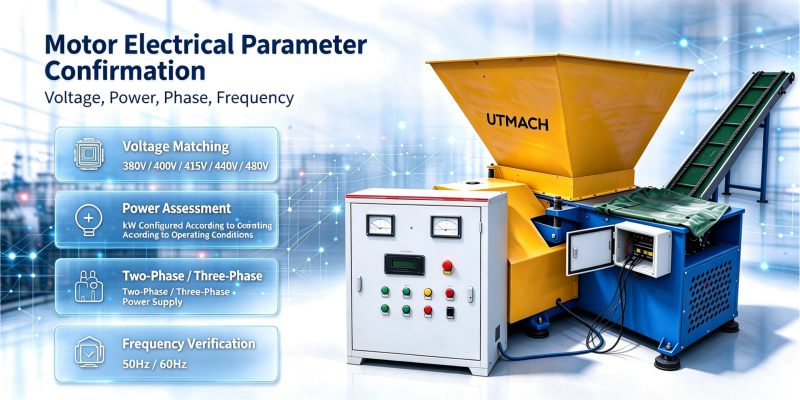
When purchasing industrial equipment internationally, electrical specifications are among the key technical details that customers and suppliers need to confirm. For shredders, crushers, granulators, and other solid waste recycling equipment, motor configuration determines whether a machine is compatible with the local power supply and also influences operating stability, processing efficiency, and overall equipment costs.
Since industrial power supply standards vary across countries and regions, the same machine model may require different electrical configurations depending on the installation site. Therefore, confirming the customer's actual power supply conditions before quotation, production, and shipment is an essential part of the equipment selection process.
1. Voltage: Matching the Local Power Supply
Industrial voltage standards vary from one country to another. Common industrial voltage ratings include 380V, 400V, 415V, 440V, and 480V, while other configurations may also be used in certain regions.
If the motor's rated voltage is incompatible with the available power supply, the machine may experience starting difficulties, unstable operation, abnormal current, or motor overheating. In more serious cases, prolonged operation under unsuitable conditions may shorten the service life of the motor and electrical components.
Therefore, buyers should not rely solely on the commonly used voltage in their country. Instead, the actual electrical conditions at the installation site should be confirmed. For projects with special power supply requirements, suitable motor configurations or other electrical solutions may need to be considered.
2. Motor Power: Selecting According to Material and Processing Requirements
Motor power, measured in kilowatts (kW), is an important specification that determines the driving capacity of the machine.
For industrial shredders, the required motor power depends on several factors, including material type, hardness, dimensions, density, feeding method, and target processing capacity.
For example, plastic films, wooden pallets, waste tires, and metal scrap have different shredding characteristics and place different demands on the drive system.
If the motor power is insufficient for the application, the machine may experience excessive loads, frequent overload protection, or lower-than-expected processing capacity. On the other hand, unnecessarily high motor power may increase equipment investment and operating costs.
A suitable motor power configuration should therefore be determined by evaluating the actual material and working conditions rather than simply choosing a larger motor.
3. Power Phase: Single-Phase or Three-Phase Supply
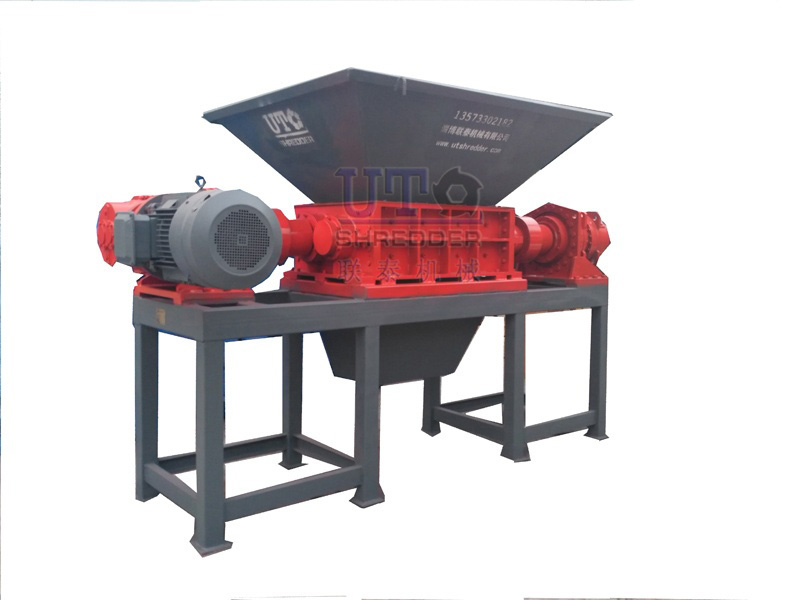
Common motor power supply types include single-phase and three-phase electricity. Most industrial shredders and heavy-duty crushing equipment use three-phase motors because they are better suited to the power requirements of industrial applications.
Before ordering equipment, customers should confirm whether three-phase electricity is available at the installation site. If a machine requires a three-phase supply but the facility only provides single-phase electricity, additional electrical modifications or alternative solutions may need to be evaluated.
For three-phase motors, correct wiring and phase sequence should also be checked to ensure that the motor rotates in the direction required by the machine design.
4. Frequency: Understanding the Difference Between 50Hz and 60Hz
In addition to voltage and phase, power supply frequency is another important specification. The most common industrial frequencies worldwide are 50Hz and 60Hz.
Motor speed is related to the power supply frequency and the number of motor poles. Under otherwise identical conditions, a change in frequency affects motor speed and may also influence the operating characteristics of the drive system.
For this reason, a motor designed for 50Hz should not automatically be assumed suitable for 60Hz operation without checking its specifications. The same applies when using a 60Hz motor on a 50Hz power supply.
If a customer's facility uses 60Hz electricity while the equipment is initially designed for 50Hz, the motor, gearbox, and associated electrical components should be evaluated during the design stage to ensure that the complete machine meets the required operating conditions.
5. How Do Electrical Specifications Affect Equipment Pricing?
Different voltage, power, and frequency requirements may involve different motor specifications, circuit breakers, contactors, frequency converters, and control system components.
As a result, even when purchasing the same shredder model, different electrical configurations may lead to variations in equipment costs and final quotations.
Confirming these specifications in advance helps suppliers calculate costs accurately, prepare suitable equipment configurations, and reduce the possibility of price adjustments or production delays caused by changes in technical requirements.
UTMACH: Equipment Configurations Designed Around Actual Working Conditions
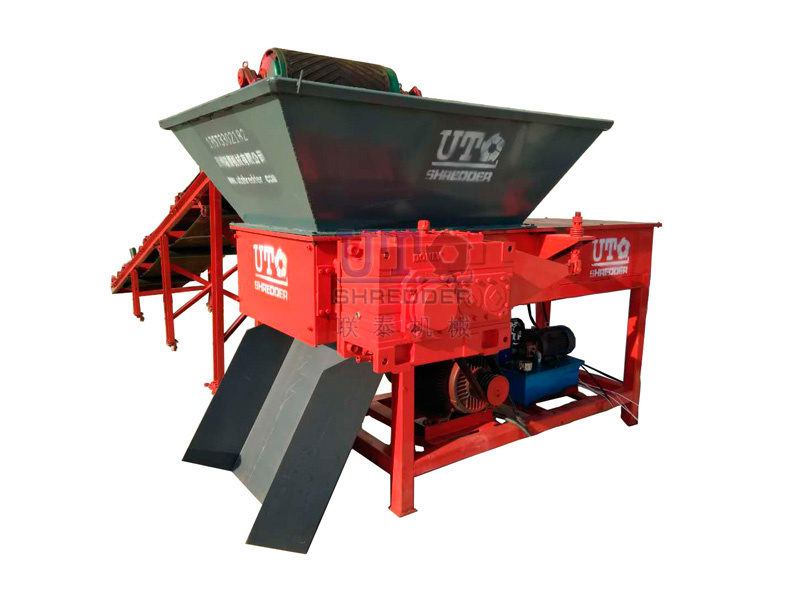
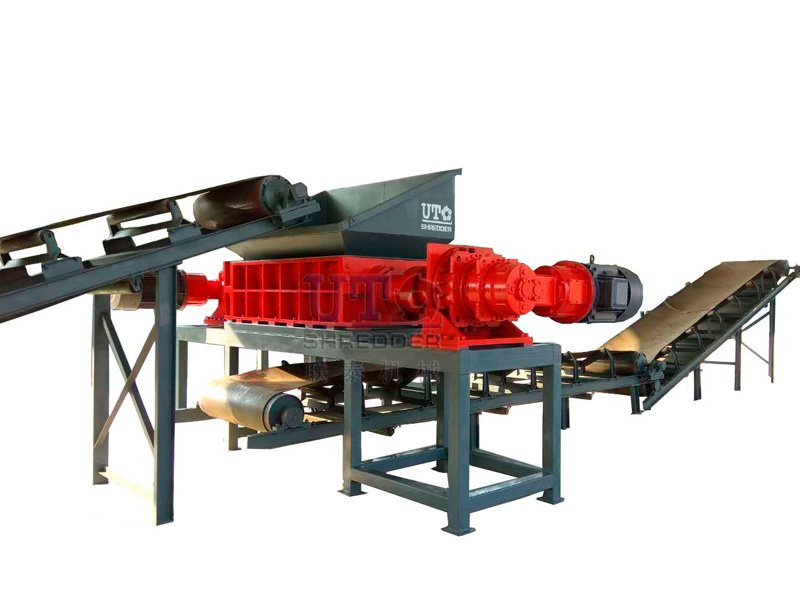
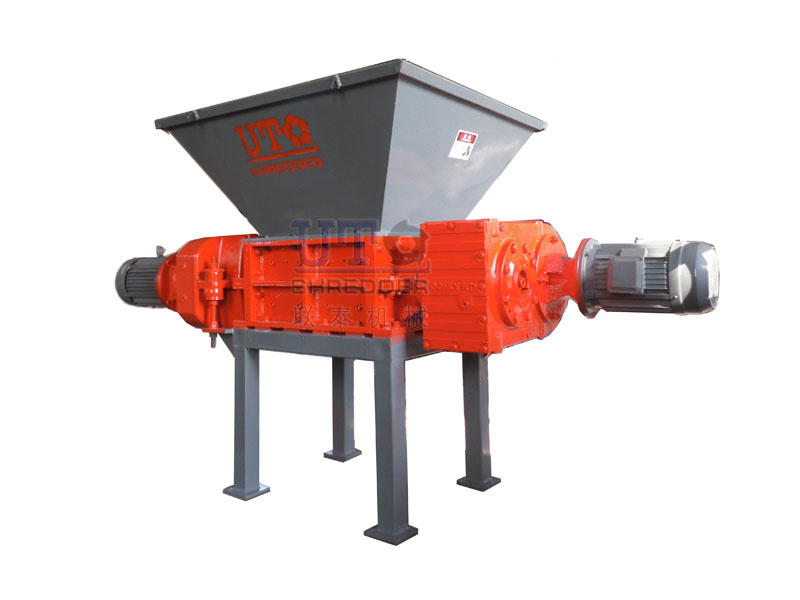
As a manufacturer specializing in solid waste size reduction and recycling equipment, UTMACH provides single-shaft, double-shaft, and four-shaft shredders, crushers, granulators, and customized recycling line solutions.
For customers in different countries and regions, we consider local power supply conditions, material characteristics, target processing capacity, and operating requirements when determining motor power, voltage, phase, frequency, and related electrical configurations.
The right motor configuration is not only essential for proper machine operation but also contributes to consistent processing performance and long-term operating reliability.
If you are planning to purchase an industrial shredder or a solid waste recycling system, feel free to contact UTMACH. Share your material type, required processing capacity, and on-site power supply specifications with our team. We will help you evaluate the appropriate equipment model and electrical configuration for your application.
UTMACH – Focus on Machines and Solutions for Solid Material Size Reduction & Recycling.
Contact us: info@zbutm.com

 TEL:+86-533-3588750
 FAX:+86-533-3588750
 MOBILE:+86-18653354363
 E-MAIL:info@zbutm.com
 ADDRESS:No.145 Zhengtong Road,